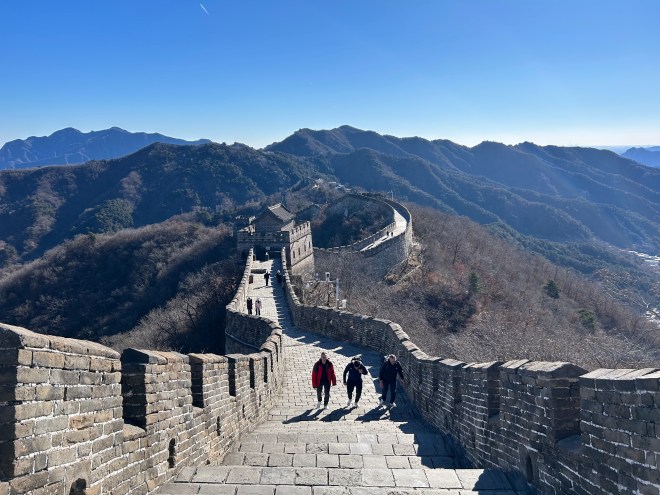
China although viewed from the Western perspective in a negative light due to issues on human rights, government control, military tactics and some untrustworthiness is actually quite a fun place to visit with some super hospitable people! Many I talk to shy away from visiting China due to the negative connotations they hear about but I feel many fail to look at all the amazing things in China. I choose to look at the culture, food, history and ancient civilizations of the Chinese and be intrigued by how quickly it is growing, advancing and making changes hopefully for the better within its society.
Below are some tips for apps you should get before arriving or websites to use for more accurate information as well as visa information for some travelers to China in 2026. Past the tips is some information on where I went and my impressions visiting China for the first time.
Local Tips for China:
- Get Alipay (set up your bank card – no one really uses cash in China…this app is a must!)
- AMap (maps in China, forget Google!…although Apple Maps works)
- Didi for rideshare
- WeChat (text messenger app)
- Trip.com (book hotels, trains, Great Wall, tours, entry tickets etc..)
- Baidu is an option for a local search engine while google is banned
- Get an eSim or international plan from home (no firewall issues but you will use data quicker because no wifi access for most apps)
- VPN (I found it to be more of a pain in the arse…you must switch it on and off a lot and unless your staying longer term or using a computer…just use the eSim or International plans)
- You don´t need to tip eating out in China
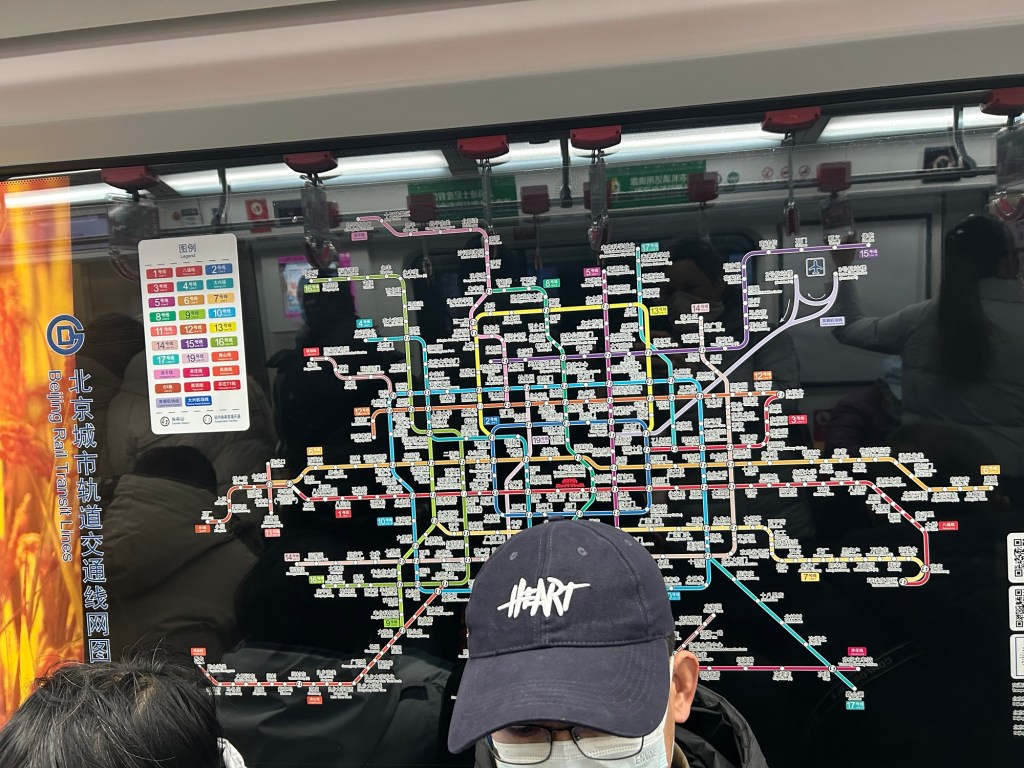
- Subway costs about 0.20 cents a ride
- Tap water is a NO GO – Use bottled, boiled or filtered water!
- Having a battery pack on you is very helpful to charge devices (not easy to find outlets) – you will see everyone with a battery pack and phone out and about
- For more accurate Air Quality: https://aqicn.org/city/shanghai/
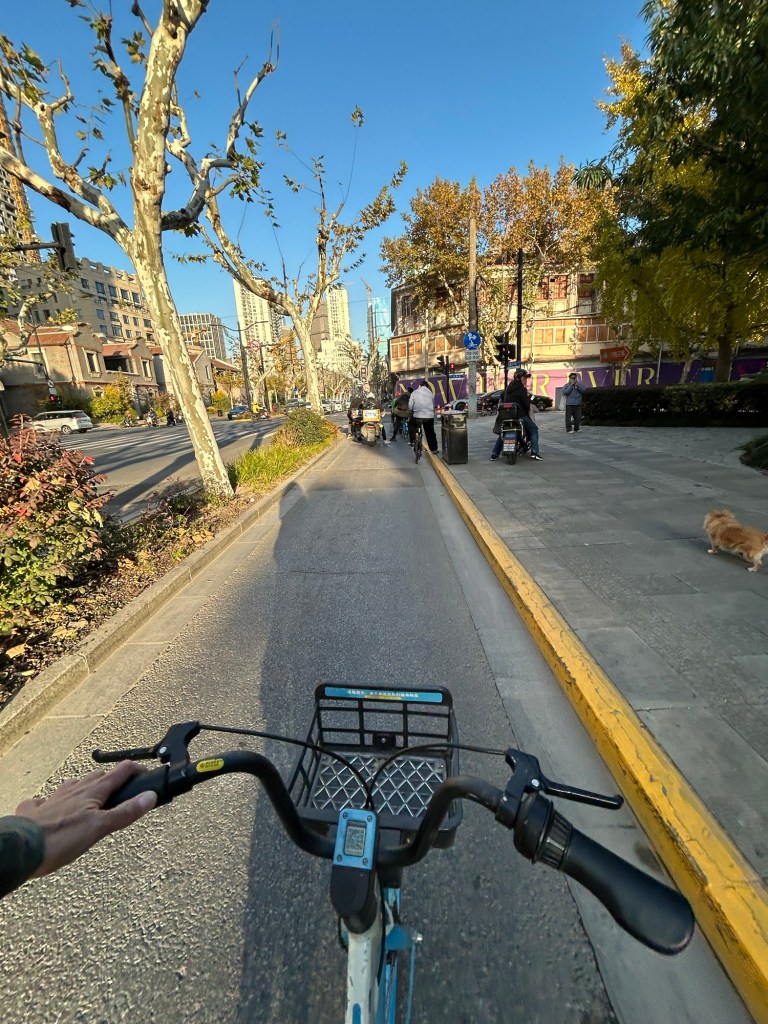
- Highly recommend using the HelloBike (blue), Meituan (yellow) or DiDi Qingju (green) in big cities often…so helpful, easy, cheap (20-60 cents for 30 minutes or more) and fun! Scan QR code via Alipay, WeChat or Didi apps using the bike icon. Great for getting from point A to B, distances to walk are farther then they appear! How to Use Guide
- Books to read about China: Age of Ambition, Evan Osnos; Factory Girls, Leslie Chang; Red Roulette, Desmond Shum
Language
I only really learned two words…Nihow – Hi! and Shi Shi En – Thank You! and got by with just that plenty. I wish I had the capacity to learn more words this trip but I didn´t. In general, not many people spoke English in China (as to be expected) so there was plenty of Translator App conversations, photos of menu´s translated, etc and this was even in the big cities…yes, you do find people who speak and often Chinese might know English but might not have the confidence to speak it.
Visa
I did the 10-day (240 hour) transit visa on arrival in order to avoid visa costs and filling out the ridiculous amount of information required to apply for the visa. If you do need a visa, give your self at couple of weeks, processing is fairly quick once you fill out the information they want.
What does transit visa mean…well no round trip flight…because you are technically transiting through China and you can´t land everywhere. I booked a flight to Shanghai (10 day count starts the day after you land) and out of Beijing to Taiwan just before the 10 day limit expired (midnight to midnight). Oddly enough Taiwan counts as leaving China, so that worked well as I have been meaning to visit Taiwan since 2019 when I had a layover there! For the transit visa you go through immigration just like anywhere else but you did need the flight out of China and out of Taiwan booked before even leaving the US…plus they needed the first address where you will stay and then it´s ¨Welcome to China!¨
Current Visa Free Options
Regular visa for China application
Impressions:
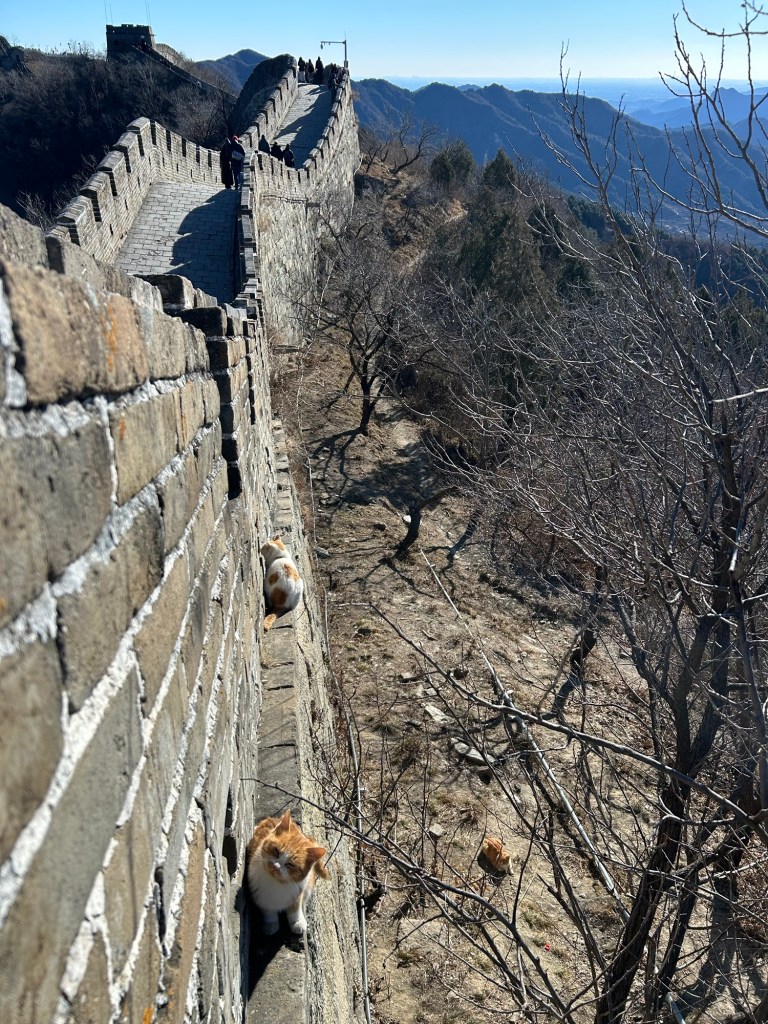
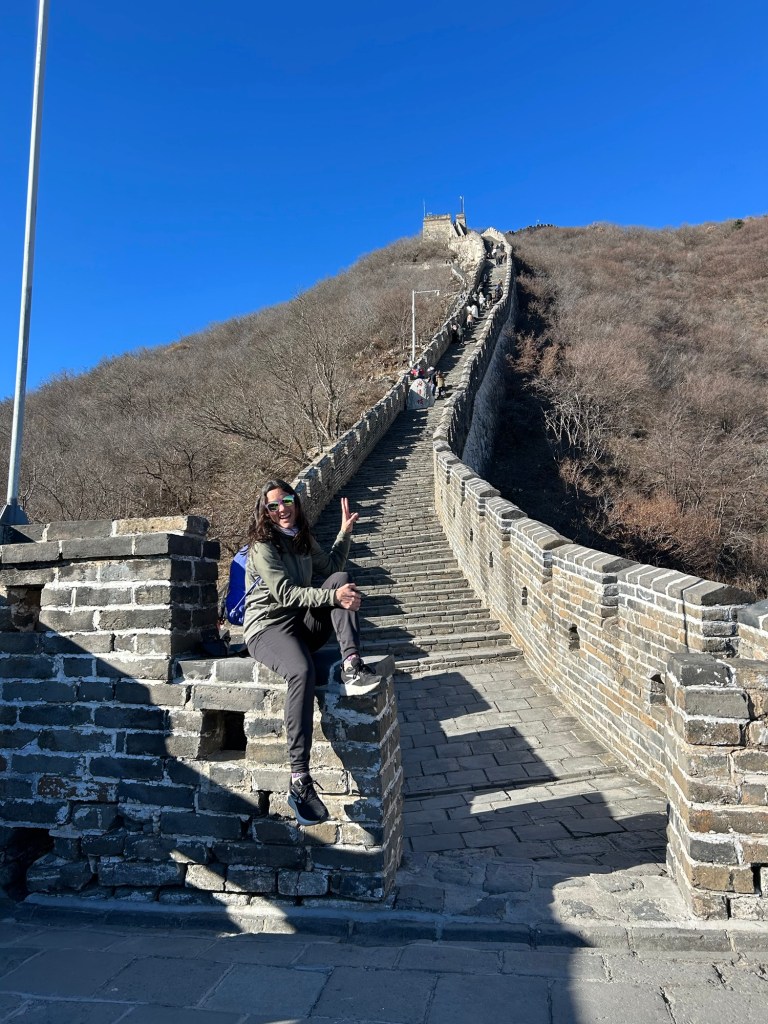
My impressions on China over my 10 day stay besides it being very fun and people being super hospitable was that everything is massive. I thought Texas was big, nope, China has a huge metro, once off the metro it takes at least a mile to get to anywhere of interest because roads are big and there are lots of buildings. Outside of the cities there is ridiculous development, like not 1 or 2 buildings going up but like 20 all at the same time. It´s unheard of…plus where are the people to fill it? What is China expecting with all this development? Even ancient buildings and areas are enormous, so it´s not a new thing, it is just how China has developed just maybe now it´s more efficient! For instance going to the Great Wall…it´s cool to see and be there until it hits you like who built all of this and why did it have to be done at this scale? It is a bit baffling but also incredibly worth walking along this historical wall.
With so much building going on there is also a lot of air pollution. I luckily had pretty good air most days but I had a 250 aqi day and it gave me a headache being outside…otherwise it was around 80 aqi (which in China is considered low pollution). China knows this is an issue and has plans to deal with it. I went to the Urban Planning Museum in Shanghai and it talks about all the plans China has for dealing with so many aspects of development until 2035 which include air pollution. Knowing China and their control this is one thing I know it will achieve (plus friends who live there have said it have totally improved over the past decade). In China, since the government controls most things, building things doesn´t allow for much say from the population or bureaucratic hoops to go though as in Western Cultures. This is how China is able to expand so quickly…if they want an area to be torn down, they pay the people and move them out and build it; same for the metro…it just gets built…no waiting to make sure it gets community approval…which does kind of suck but on the other hand things do get done and very quickly. It might be nice if this process had a mix of both community approval and just do it but unfortunately it doesn´t.
I´m not going to lie, you definitely feel the control in China, the easiest form is the firewall China has on websites, apps and other online portals. Truthfully after a few days it just becomes normal and you stop fighting it and sort of forget about it because in China they have tons of other apps, websites and online services that have a depth I´ve never experienced and these options satisfy your daily needs and make things crazy easy to do just about everything in one app. Now seeking information or news that is blocked, well yes, that is a tough one unless you have VPN access and know where and what to search. Censorship is hard core in China and what they don’t want you knowing about will get taken down quickly.
I did start to worry about this control while there, for example if jaywalking would have authorities after me or any other thing I did while there. I believe there is more control than meets the eye and as a tourist you won´t notice the other elements taking place within society unless you stayed and lived there.
Lastly, I was happily impressed with the bike sharing and bike lanes everywhere! Shanghai and Beijing are flat but super spread out and the bikes are the perfect combination with the metro to be on your way safely, at a great price and so much quicker than walking. You do share the bike lane with motorbikes (ebike, as they call them since few are powered with gas now) though so just be aware. The ease of bike rental and accessibility is phenomenal…there are tons of them always nearby, with the apps you can unlock them and ride so easily. It was one of my favorite things to do on my trip. Highly recommend!!
Travel Route:
For the first visit to China I only had 10 days to travel so I focused on Shanghai and Beijing. I choose these cities mainly to see friends and run the Shanghai Marathon. There is plenty to see in Beijing with the Great Wall of China being nearby and then in the city, being the Capital of China there are a lot of historical sites to visit as well as cool neighborhoods. Shanghai felt more like the financial center but full of architectural gems and obviously my main focus there was to run the Shanghai Marathon.
I took the train between the two cities (booked on Trip.com), they are quite far apart (about 700 miles/1100km) but the speed train is great…4-6 hours (depending on train you pick), runs often and costs about $100 USD. You can fly too and it´s 2.5 hours and $250 US one way. I felt that the train was just more central and easier, plus who doesn´t love a train ride at 200 mph.
Below are some neighborhoods in each city I explored, enjoyed and/or recommend visiting…
Neighborhoods in Shanghai:
- Pudong: Where I stayed, the financial hot spot with big awesome skyscrapers. Loved the Pearl Tower and running along Huangpu River.
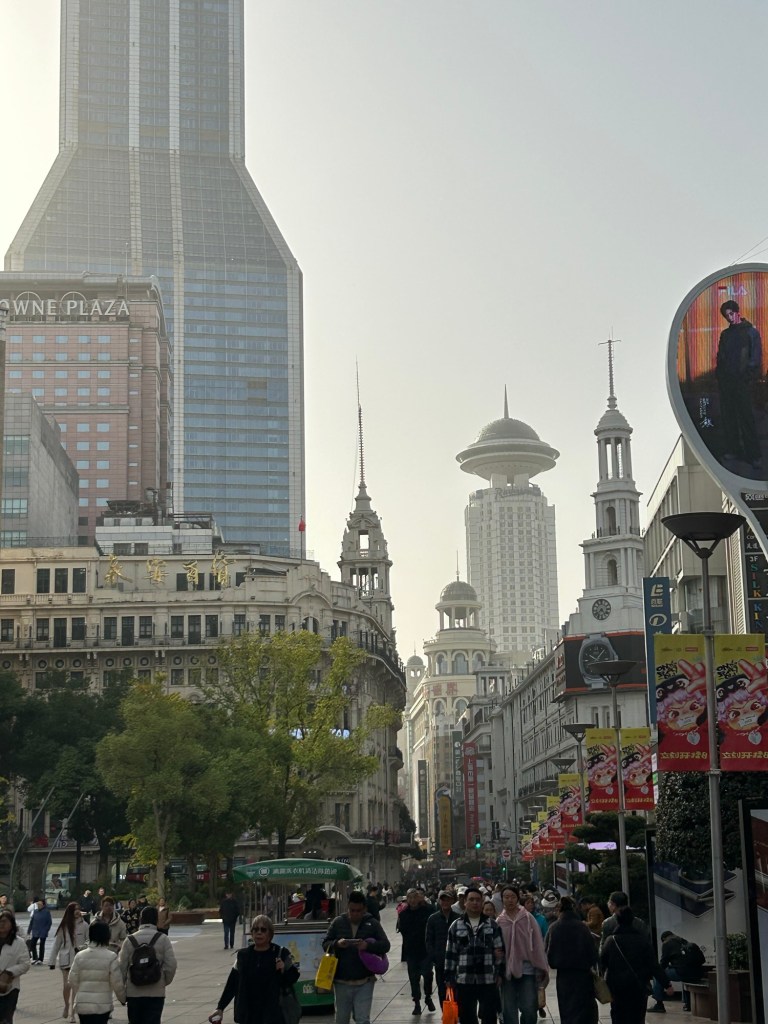
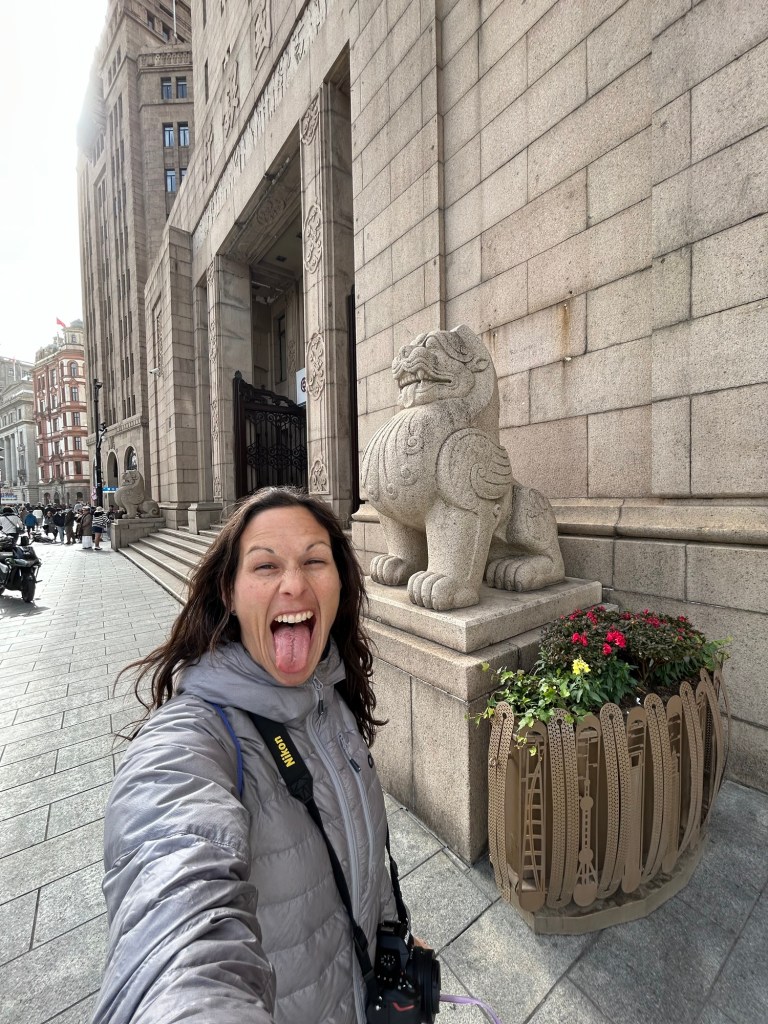
- The Bund: Great views, awesome European architecture from 1800s/1900s, it is tourist central and start of the Nanjing Road…shopping heaven (I liked the West End of Nanjing the best)
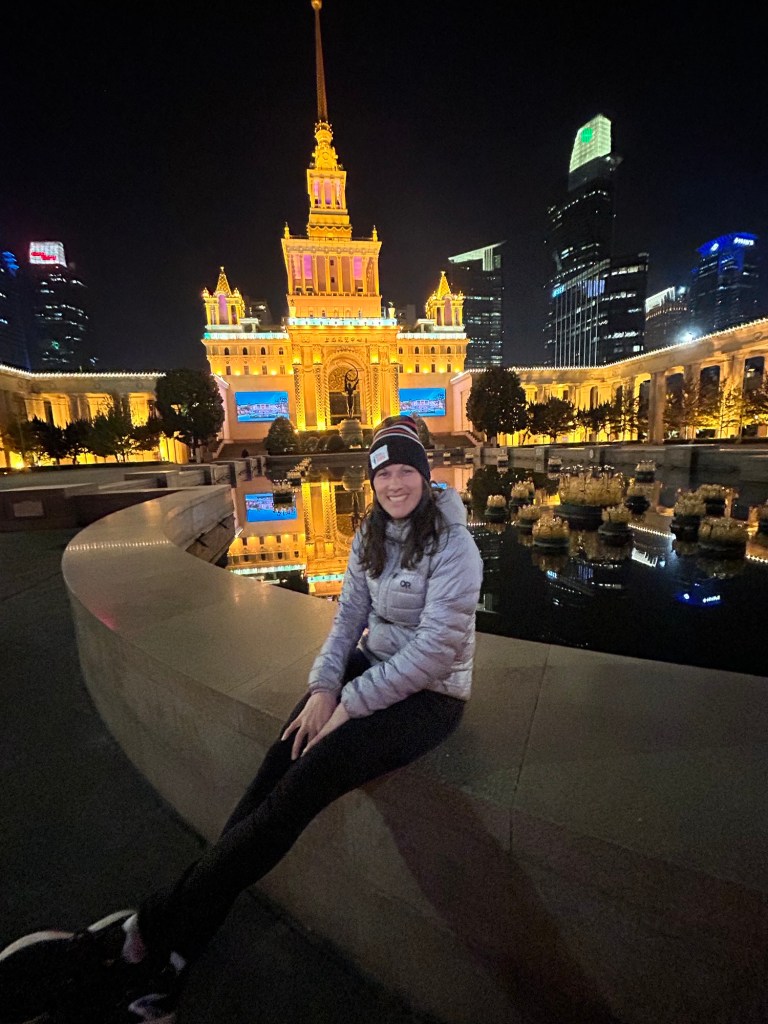
- Jing’an: Where a well known temple is but also my favorite building the Soviet Era Shanghai Expo Center…and lots of high end shopping as well (don´t miss the Louis Vutton boat!)
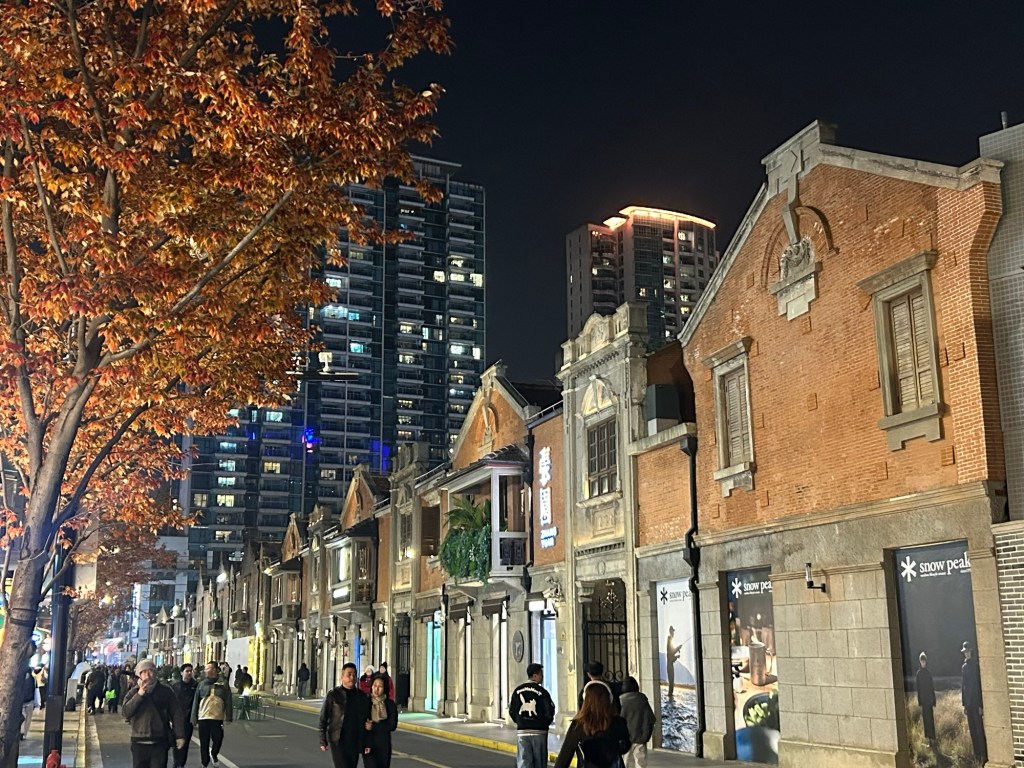
- Old Town (Nanshi): Now this was the China I was expecting…as were all the other tourists. Expect it to be packed and visually overwhelmed with the traditional Chinese architecture here.
- Former French Concession (Xuhui/Luwan): I didn´t spend much time here but I did enjoy running the marathon through here with all the leafy boulevards and overall less modern feel.
- I went to some other neighborhoods too but the above were the ones I enjoyed the most
- More neighborhood info
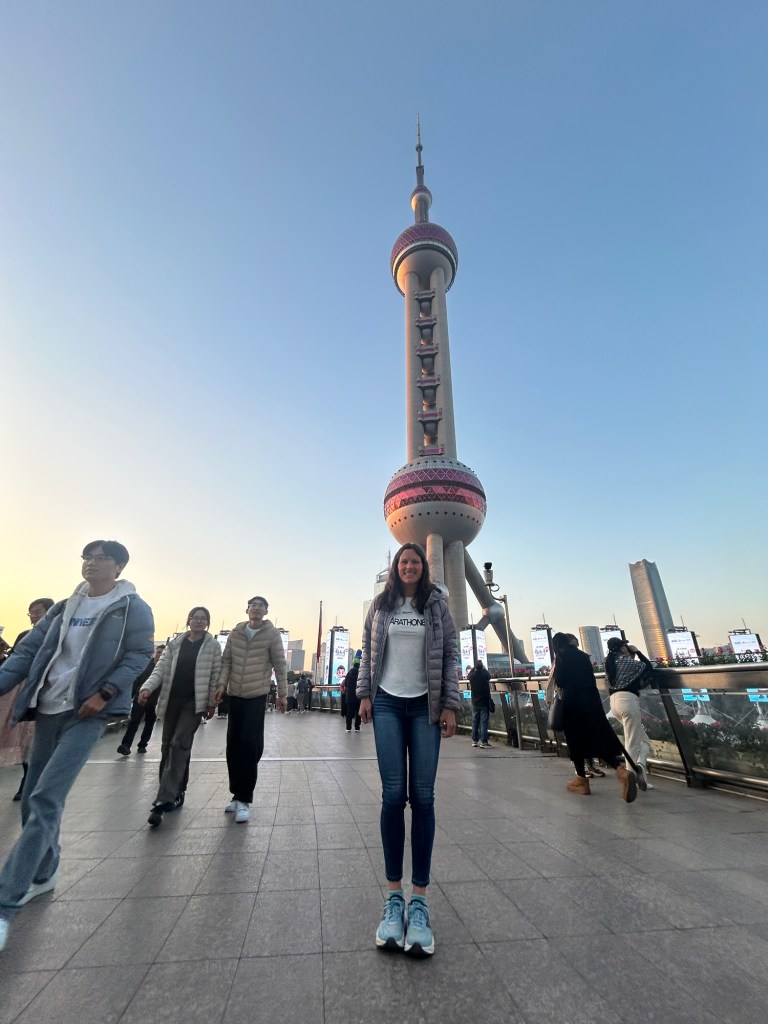
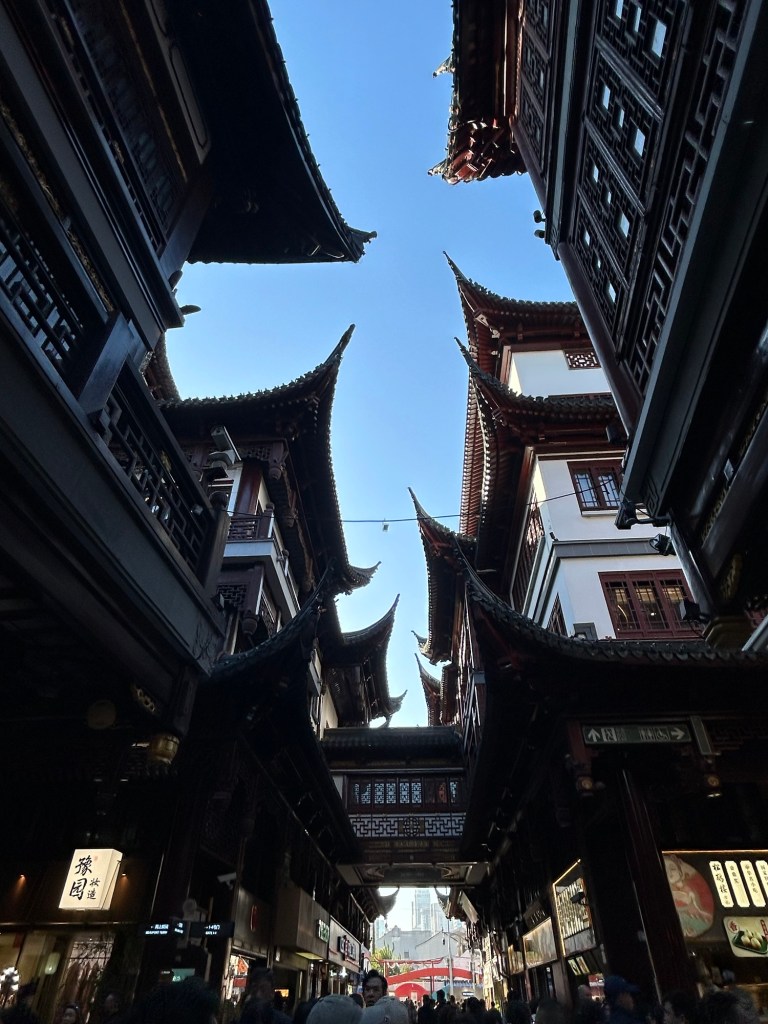
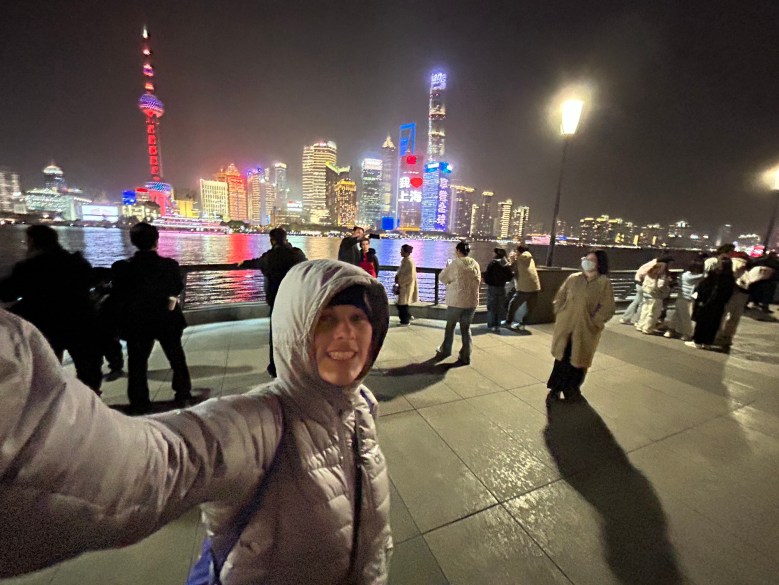
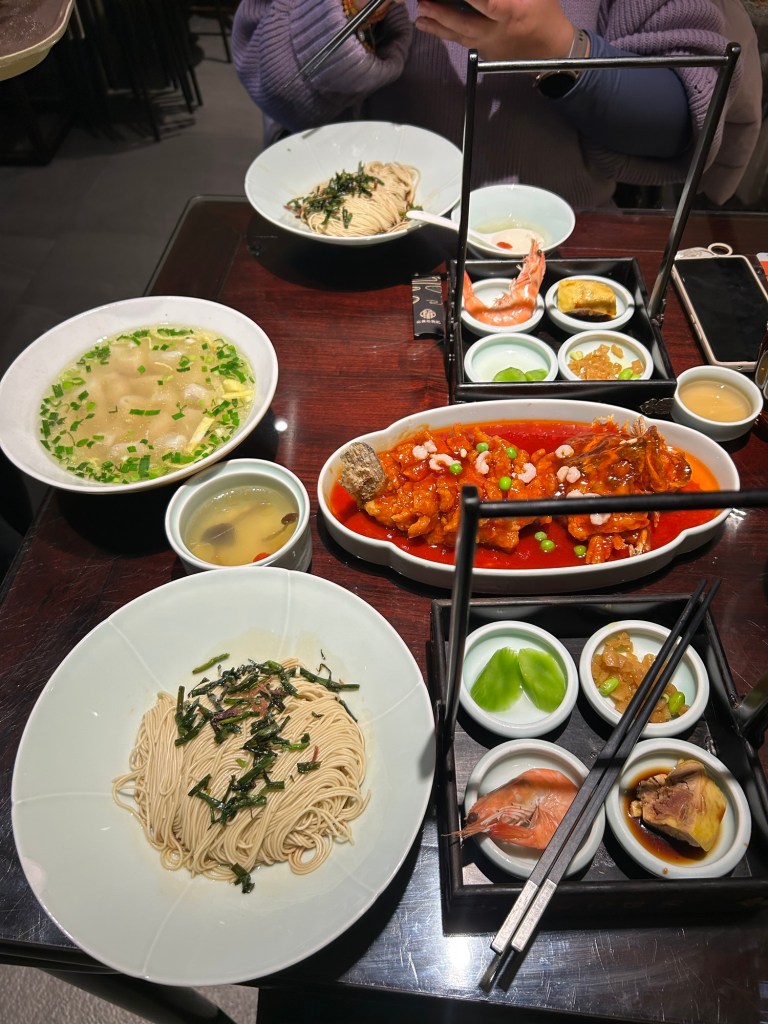
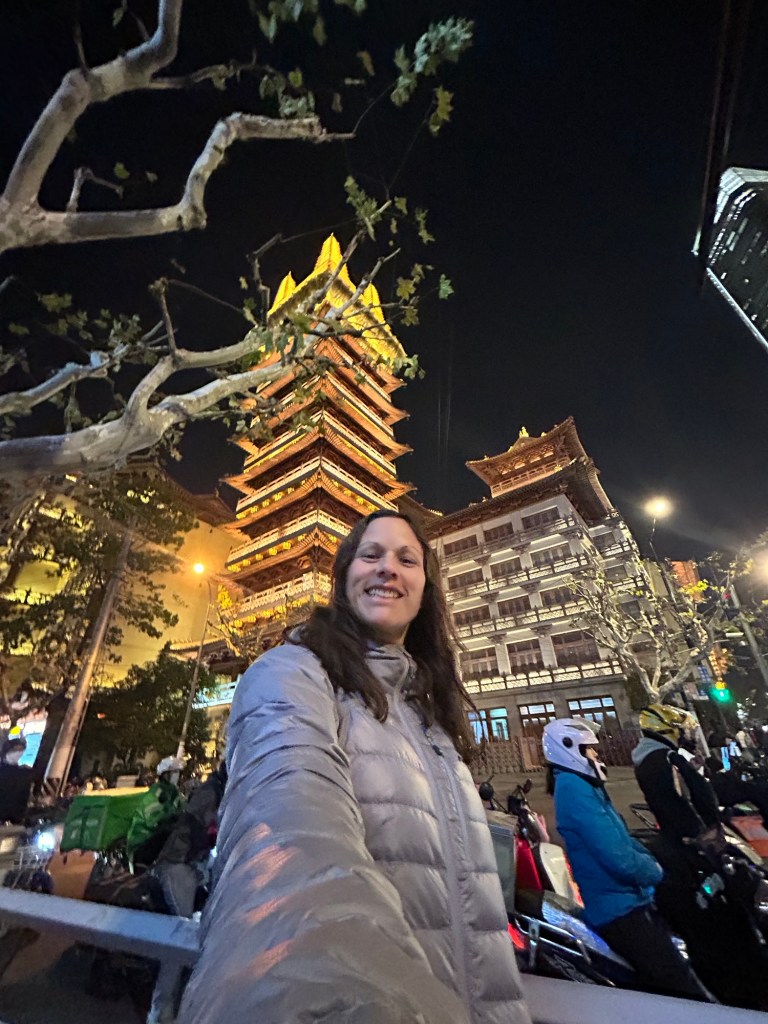
Neighborhoods in Beijing:
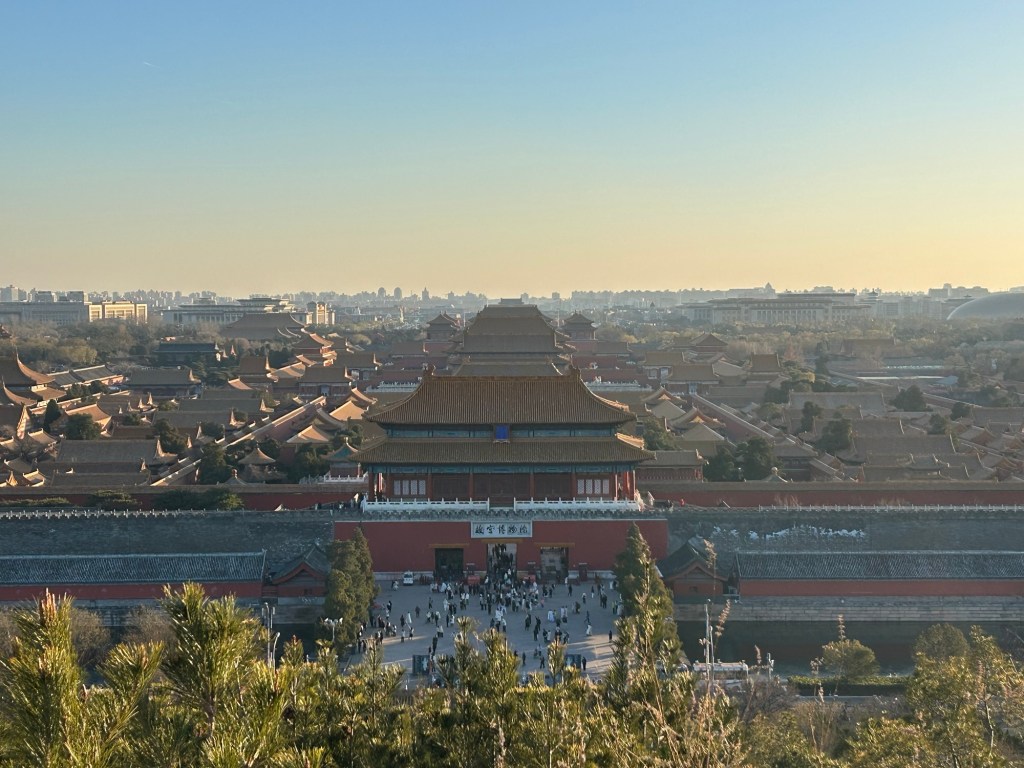
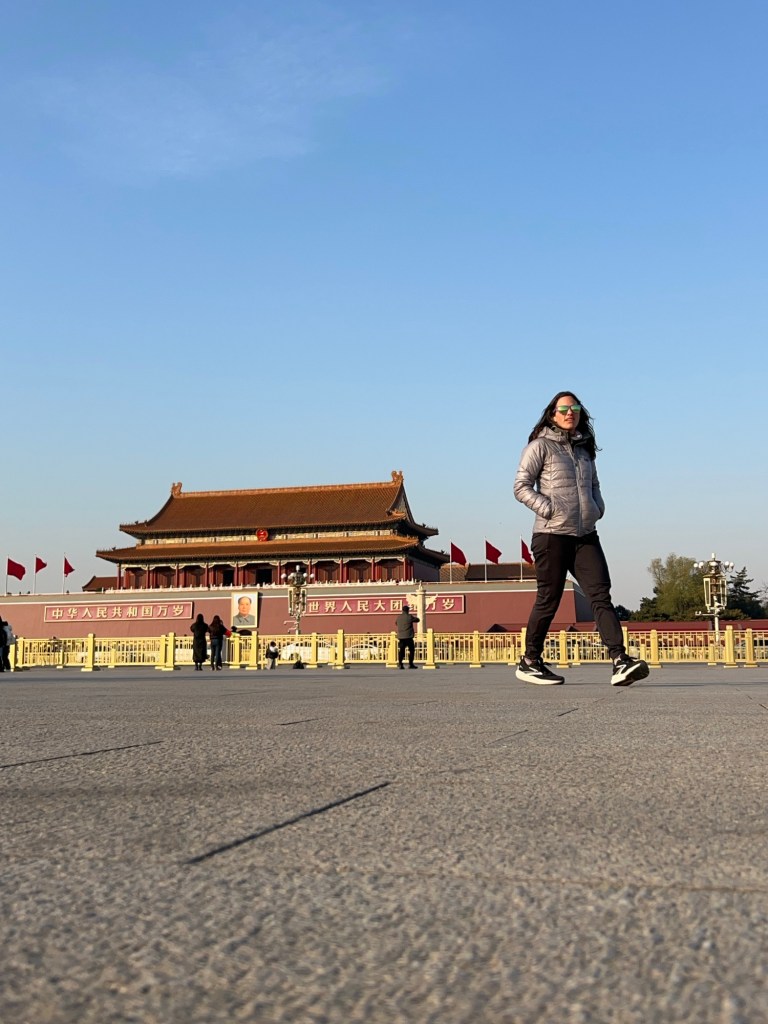
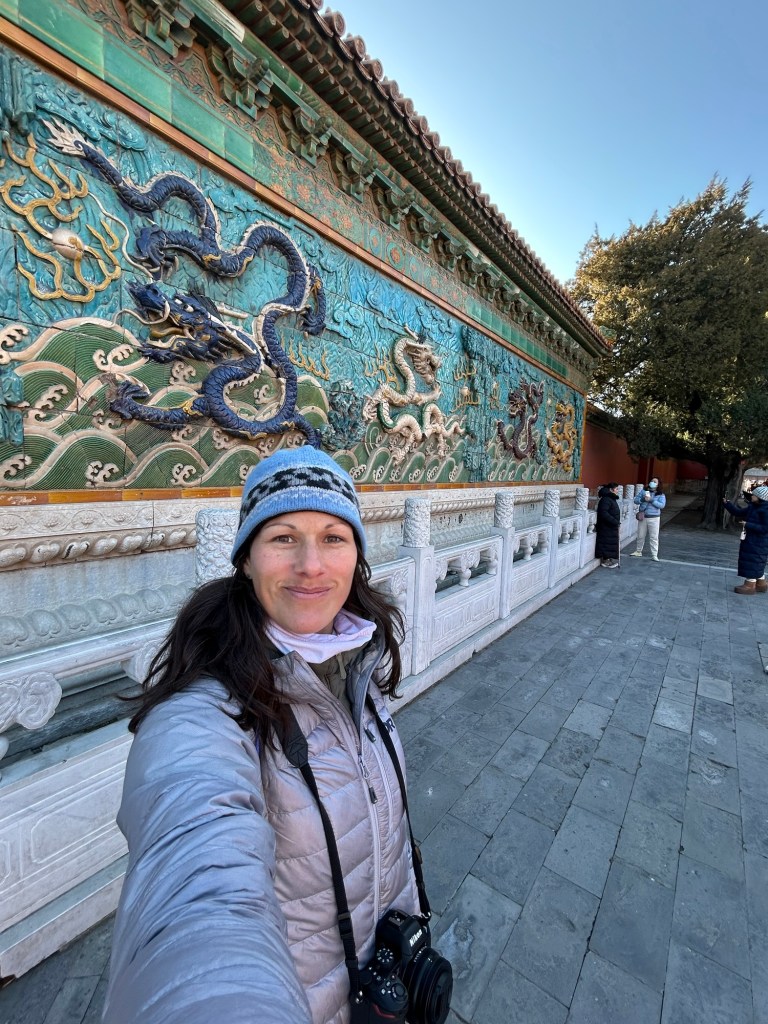
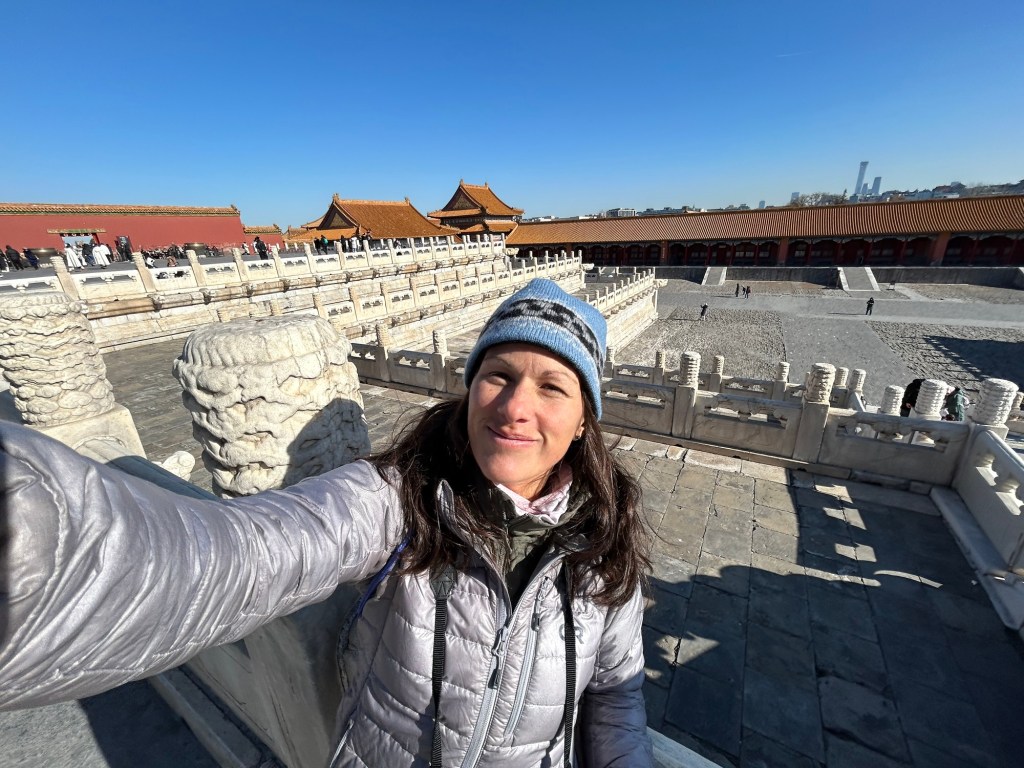
- Dongcheng/Forbidden City: Clearly you must go here…expect a city within a city (9000+ rooms…I was so drained after that visit! Chinese history central…on one side is Tiananmen Square and on the other is Jingshan Park (with views of the ancient city).
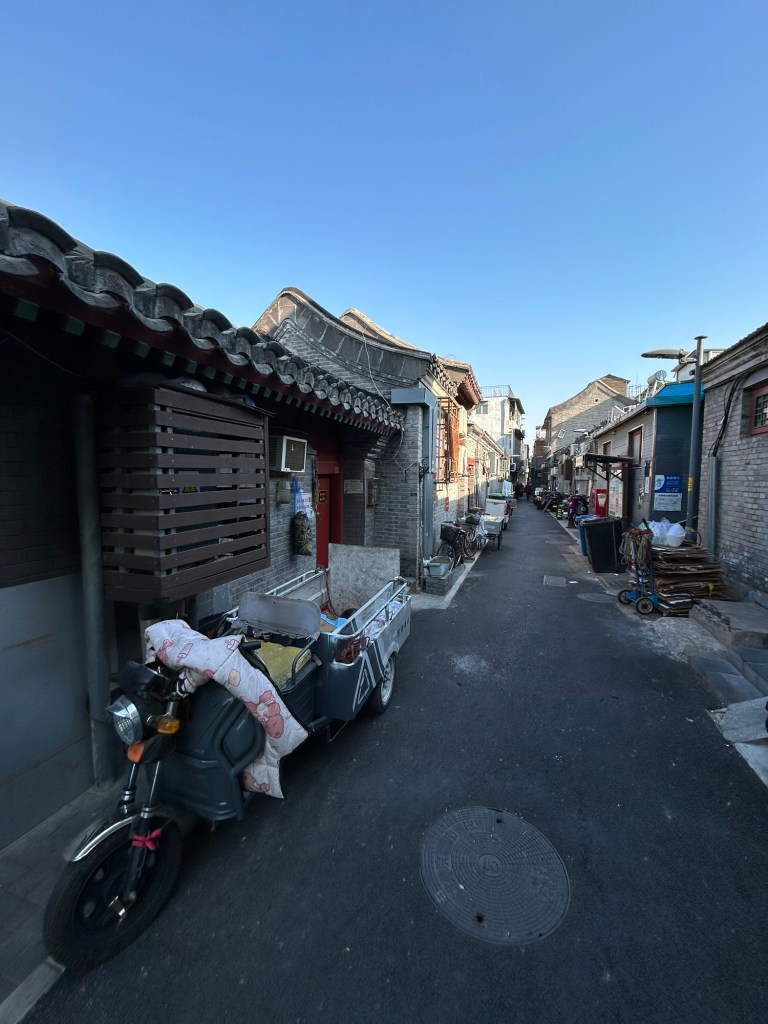
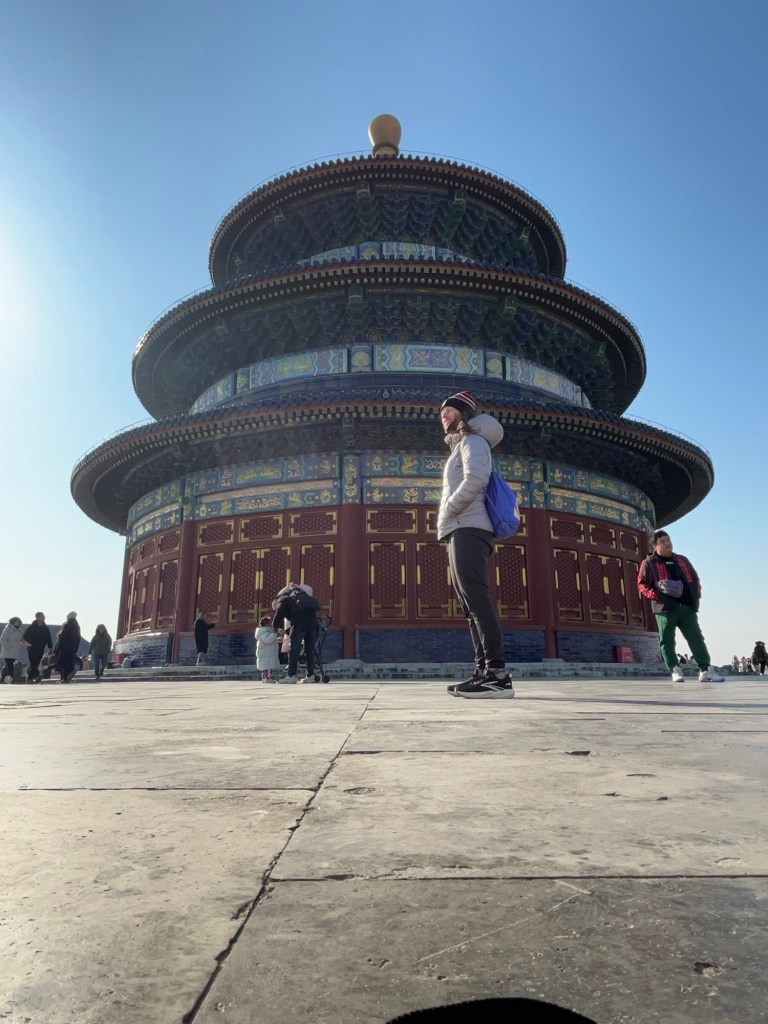
- Dongcheng/Qiamen: The area past Tiananmen Square is the modernized Qianmen St. but sneak past it to the west and you get plenty of hutongs (alleys) to explore and see the more typical living of ancient Beijing. Further past this pedestrian Qiamen is also a nice peak into how people really live…get out of the tourist zone a bit! Also do check out the beautiful forest around the Temple of Heaven…so calming!
- Shichahai: Vibrant, near the Qianhai Lake just North of Forbidden City, lots of hutongs to explore and nightlife. I passed by in bus, wanted to get off to explore but decided I was tired but it looked awesome and I wish I had the energy to stop…that Forbidden City depleted me!
- 798 Art District: Exactly as it say, expect art…lots and galleries…I didn´t make it here but I really wanted to check it out so I recommend you do!
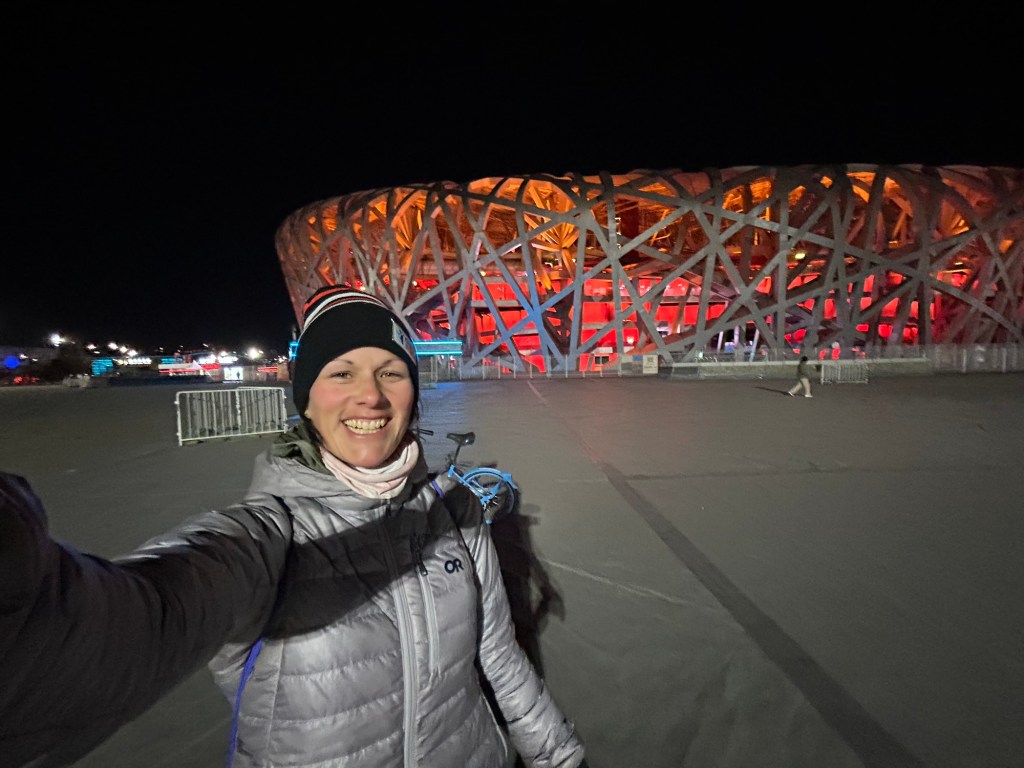
- Chaoyang District: The National Stadium (aka the Bird´s Nest) is here as is the best running spot Olympic Forest Park (I did not run though as it was days after the marathon)
- Sanlitun: Seems well recommended yet I didn´t have time to check it out…too many other things going on with friends elsewhere but maybe give it a go…fairly central – more information here
- Not in Beijing but darn close is the Great Wall of China, do not miss it…about 1 hour away max (can take buses and trains to parts of it, I did a tour through Trip.com to the Mutianyu section)
- More neighborhoods if you need it!
 WHERE IN THE WORLD IS TaG